For a decade, the map of European air freight had a settled centre of gravity. Frankfurt was the continent’s busiest cargo airport, the default transfer point where East met West, and planning around it felt safe. That map has just been redrawn. In August 2026, Istanbul Airport overtook Frankfurt to become Europe’s busiest cargo hub, and weeks later it opened a fourth main runway to press the advantage.
For any shipper moving freight between Asia, the Middle East and Europe, this is not a story about a distant airport getting bigger. It is a signal that a genuine new option has arrived on your lane, one with room to grow while others hit their limits. ACC watches hub competition closely, because where the capacity is determines where your freight moves best. Here is what changed, and what to do about it.
What Istanbul Just Built
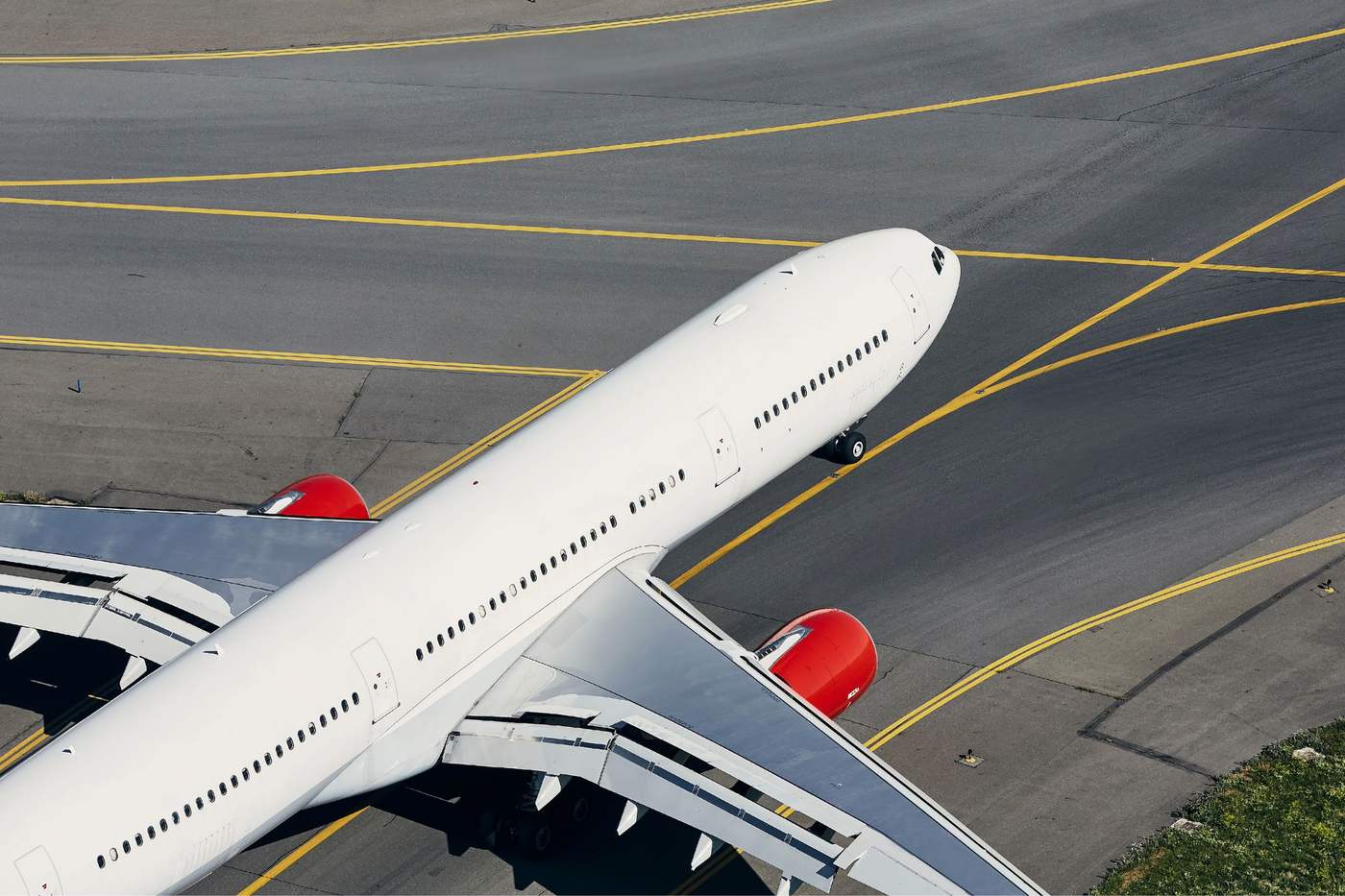
On 18 September 2026, Istanbul Airport opened its fourth main runway, designated 09/27, as part of the airport’s phase-two expansion.
The headline details, per Air Cargo News:
-
A €890m investment. The new runway cost roughly €890 million to build and stretches 2,820m (9,250ft).
-
The airport’s first east to west runway. Unlike the existing strips, 09/27 is aligned on an east to west axis, adding operational flexibility in different wind conditions and easing traffic flow.
-
Six runways in total. Istanbul now operates four main runways plus two auxiliaries, up from three main runways, having already implemented triple-independent parallel runway operations in 2025.
In the words of airport operator iGA, the “addition of the fourth main runway to the system will further increase [Istanbul airport’s] operational capacity, efficiency and flexibility.” It is infrastructure built for a hub that has run out of the word “spare”.
The Number That Rewrote the Map
Runways are only interesting because of the freight they carry, and here the figures are striking.
-
Europe’s number one. In August 2026, Istanbul overtook Frankfurt to become Europe’s busiest cargo airport, according to Air Cargo News, ending Frankfurt’s long-held top spot.
-
Over a million tonnes in six months. Istanbul handled just over 1 million tonnes of cargo in the first half of 2026, up 10.8% year on year.
-
Frankfurt held roughly flat. Frankfurt moved 980,731 tonnes over the same H1 2026 period, a gain of just 1.3%, growth an order of magnitude slower than Istanbul’s.
-
The home carrier is surging. Turkish Airlines lifted its cargo volumes 11.3%, while cargo revenue jumped 58% to nearly $1.3bn, the commercial engine behind the airport’s rise.
A double-digit-growth hub pulling away from a low-single-digit incumbent is not a one-month blip. It is a structural shift in where East to West air freight is being consolidated.
Why Istanbul, and Why Now
Geography and timing have both worked in Istanbul’s favour. The airport sits at the natural crossroads between Asia, the Middle East, Africa and Europe, giving it a transfer geometry few rivals can match. Istanbul has also been a beneficiary of cargo diverted away from Middle East hubs amid the region’s conflict, freight looking for a stable, well-connected waypoint has increasingly found it on the Bosphorus.
Layer on a home carrier investing hard in cargo, an airport operator explicitly chasing hub status, “we’ve worked with all our efforts to achieve the goal of establishing a leading global transfer hub in Istanbul,” said operator chair Cemal Kalyoncu, and the result is a hub that is growing capacity precisely when several European rivals are constrained. Schiphol is fighting night-flight and noise limits; Frankfurt is barely growing its cargo throughput. Istanbul is adding a runway.
The ACC Read: A New Card in Your Hand
The instinct when a hub grabs headlines is to chase it. That is the wrong lesson. The right one is subtler: Istanbul’s rise widens the set of credible routings on East to West lanes, and a wider set is only an advantage if someone is weighing all of it on the merits.
-
More capacity means more leverage. A hub with genuine headroom and a fast-growing home carrier is a competitive alternative to constrained European gateways. On the right lane, that can mean better space availability and firmer negotiating ground into peak.
-
It is a routing question, not a loyalty question. Istanbul suits some flows beautifully, Asia-to-Europe transfers, Middle East and Central Asian connections, and lanes where Turkish Cargo’s network is strong. It will not be the answer for everything. The value is in knowing when it is and when it isn’t.
-
Constraints elsewhere make optionality worth more. With Schiphol’s night capacity under pressure and Frankfurt’s growth flat, having a live, tested alternative through Istanbul is a hedge, not a gimmick.
That is exactly the calculation a neutral broker exists to run. ACC is a neutral broker, tied to no single hub, so when the map of European cargo shifts, our job is to re-weigh every gateway, Istanbul now firmly among them, and route your freight where it actually moves best.
The Bottom Line
Istanbul overtaking Frankfurt and immediately adding a fourth main runway is the clearest sign yet that Europe’s air-cargo centre of gravity is moving east. This does not oblige anyone to reroute tomorrow. But it does mean that shippers still treating Frankfurt or Schiphol as the only serious European transfer options are working from an out-of-date map. The ones who come out ahead will be those who add Istanbul to the comparison, and then let the lane, the cargo and the numbers decide.
Put Every Gateway on the Table
If your East to West freight has been routing the same way for years, now is the moment to pressure-test it. ACC will benchmark your lanes across Istanbul, Frankfurt, Schiphol and the alternatives, weigh each on capacity, cost, transit and reliability, and route your shipments where they move best, not where habit says they should. Talk to ACC before peak, not during it.
Sources: Air Cargo News, “Leading European cargo airport Istanbul adds another runway” (23 September 2026) · iGA Istanbul Airport operator statements · Aviation A2Z, Istanbul Airport runway coverage (19 September 2026)