
Japan has spent two years assembling one of the largest air cargo operations in Asia, and last week it gave the project a name. On 14 September 2026, ANA Holdings confirmed it will fold its freight businesses into one carrier trading as ANA Nippon Cargo, bringing ANA Cargo, Nippon Cargo Airlines (NCA) and NCA Japan under a single brand and a single sales counter.
For most shippers this looks like a story about a Japanese airline’s org chart. It isn’t only that. Consolidation reshapes the choices in front of you: it can build a deeper, better-run network on the lanes you use, and at the same time it removes an independent seller from the market. On the Japan trades, including the Japan to Europe routes that touch ACC’s own doorstep at Amsterdam, this is a change worth reading closely. Here is what is actually happening and what it means for the freight you move.
What Was Announced
ANA Holdings is unifying three cargo entities into one. ANA Cargo, the group’s combination carrier, moving freight in the bellies of passenger jets and on a small dedicated freighter fleet, merges with Nippon Cargo Airlines and NCA Japan, the group’s dedicated main-deck freighter operators.
The steps are staged:
-
A single brand from 1 April 2027. The combined operation will trade as ANA Nippon Cargo, with the formal legal company-name change following in the second half of the 2027 financial year.
-
NCA keeps the licences. Nippon Cargo Airlines remains the operating entity, retaining its Air Transport Business Licence and Air Operator’s Certificate, so the merger is a commercial and brand consolidation rather than a re-certification of the fleet.
-
A ¥30 billion prize. ANA is targeting integration and synergy effects worth ¥30 billion, the financial case for pulling schedules, sales, handling and technology under one roof.
The stated logic is to marry ANA Cargo’s expertise as a combination carrier with the specialised main-deck know-how of NCA and NCA Japan, so a customer deals with one network, one sales channel and one terminal rather than three overlapping ones.
How Japan Got Here
This did not happen overnight. ANA Holdings completed its acquisition of Nippon Cargo Airlines from shipping group Nippon Yusen (NYK Line) on 1 August 2025, through a share exchange, a deal first announced back in 2023 and delayed by regulatory review. The two carriers began codesharing on 26 October 2025, selling capacity on each other’s flights while the deeper integration was worked through.
The 14 September announcement is the moment that integration acquired a public face. The initial consolidation of cargo handling is beginning at hub airports on both sides of the Pacific, Chicago O’Hare and Los Angeles in the United States, alongside Japanese gateways, where the two operations previously ran separate counters and terminals. In practice, the merger has been arriving in stages for a year; the brand is simply catching up with the plumbing.
What the Combined Carrier Flies
The value of a merger, for a shipper, comes down to metal and network. On both counts the enlarged carrier is substantial.
-
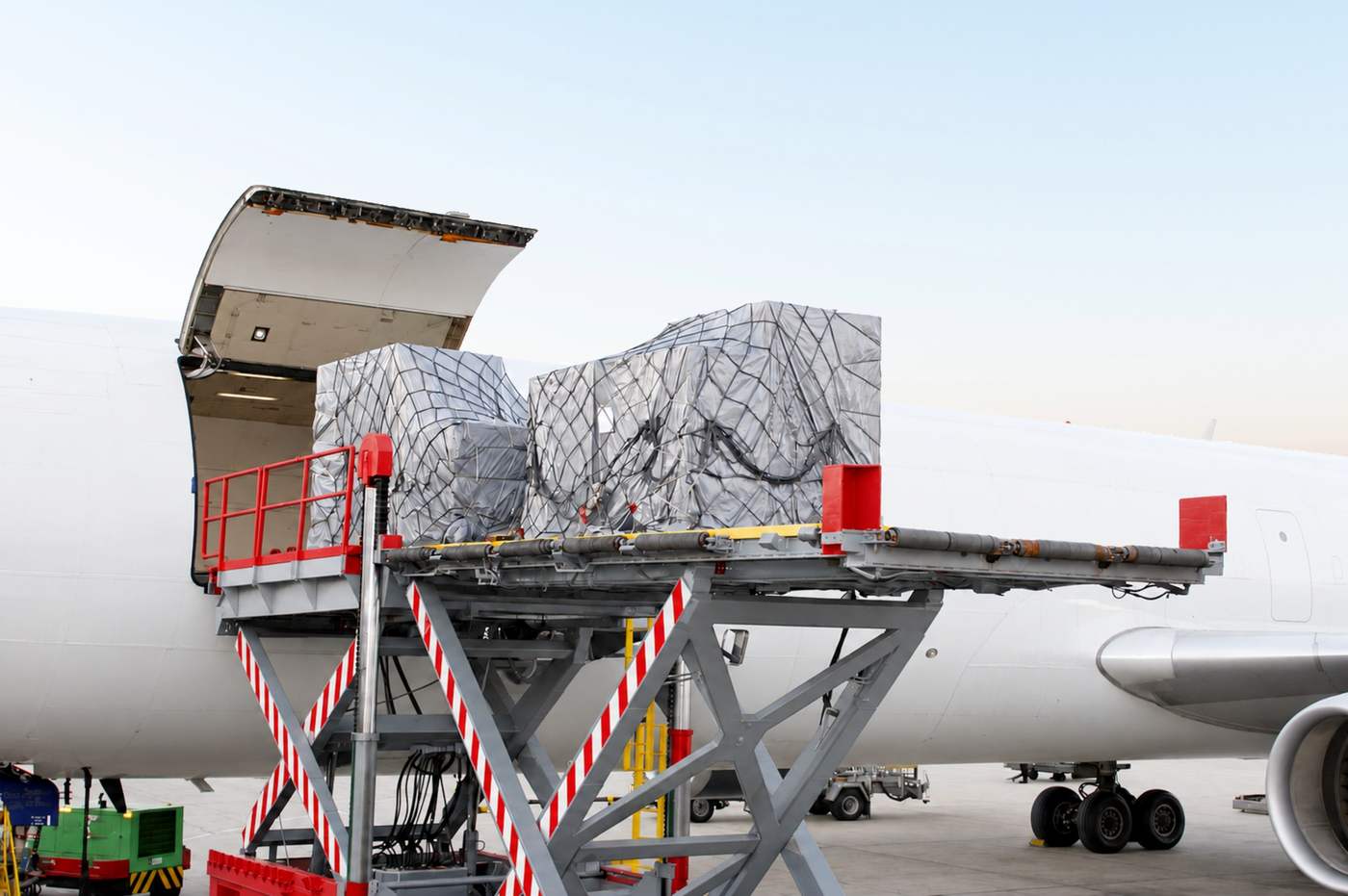
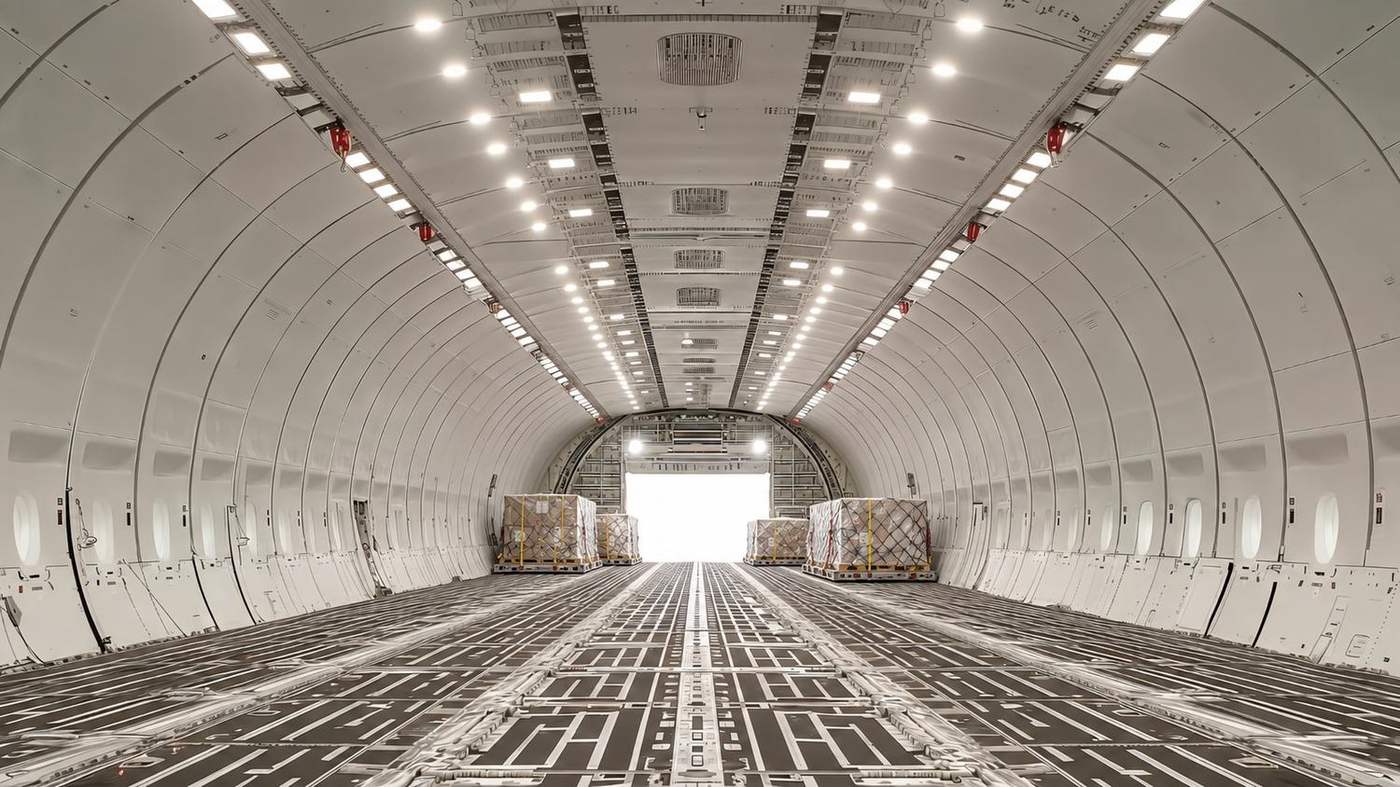
A mixed dedicated fleet. ANA Cargo brings six Boeing 767 freighters and two Boeing 777 freighters; NCA brings eight Boeing 747-8F freighters, the large main-deck workhorses that carry outsize and heavy loads Japan’s exporters depend on. An older tranche of NCA 747-400Fs is being wound down.
-
A genuinely global map. NCA alone serves around 20 destinations across Asia, Europe and North America from its Narita hub, including Amsterdam, Frankfurt and Milan in Europe and Chicago, New York, Los Angeles, Dallas and San Francisco in the United States. Add ANA’s belly capacity across the group’s passenger network and the combined reach is wide and dense.
That combination, nose-loading 747-8F freighters for the heavy and awkward, 767s and 777s for volume, and belly space for everything else, is exactly the flexibility a large shipper wants from a single partner. It is also exactly why consolidation is a double-edged development.
Consolidation Cuts Both Ways
A merger like this is genuinely good news in one direction and a quiet warning in the other, and mature freight buyers hold both ideas at once.
On the upside, one well-capitalised carrier with a unified schedule, a single technology stack and ¥30 billion of synergy behind it should be more reliable and easier to deal with than three separate units competing internally. Combination carriers that pair belly and freighter capacity can flex between the two as demand shifts, useful in a 2026 market where capacity, not demand, has been the swing factor.
On the downside, every consolidation removes a seller from the table. Where a shipper on a Japan lane could once pit ANA Cargo and NCA against each other on price and space, there will soon be one counter quoting one rate. Less internal competition tends, over time, to mean firmer pricing and less negotiating leverage for the buyer, particularly on tight, high-value lanes out of Japan where alternatives are already limited. A stronger carrier is not automatically a cheaper one.
Why This Reaches Your Freight
Japan is not a side market. It is a major origin for high-value electronics, semiconductor equipment, machinery and precision components, precisely the goods that fly rather than sail, and the merger touches two lane groups that matter to European shippers directly.
The first is Japan to Europe, where NCA already flies into Amsterdam, Frankfurt and Milan; any shipper moving Japanese-origin freight into or through the Netherlands is now dealing with a reshaped supplier at their own gateway. The second is the transpacific, where the consolidation of handling at Chicago and Los Angeles changes how Japan to US freight is booked and cleared into the fourth-quarter peak. In both cases the network is not shrinking, but the number of independent doors you can knock on is.
What ACC Is Telling Clients
A carrier merger is not something to fear; it is something to factor in. ACC’s guidance to shippers on the Japan trades:
-
Re-test the lane, don’t assume. If you have historically split Japan volume across ANA Cargo and NCA, re-benchmark now. A single combined quote is not automatically your best rate, compare it against other carriers and gateways before you renew.
-
Keep a second option warm. One dominant carrier on a lane is a reason to maintain relationships with alternatives, not to consolidate all your volume behind the merger for convenience.
-
Watch the peak-season handover. With handling consolidating at Chicago and Los Angeles during the Q4 peak, build in a little schedule slack on Japan to US bookings while the two operations become one.
-
Judge the network on the merits. The combined carrier’s depth is a real asset. Use it where it genuinely wins on price, capacity and reliability, and only there.
The Bottom Line
ANA Nippon Cargo will be one of the more capable cargo operations in Asia: a wide network, a mixed freighter fleet led by eight 747-8Fs, belly capacity across a major passenger group, and ¥30 billion of synergy behind a single brand from April 2027. For shippers that is mostly good, deeper, simpler, better-run capacity on the Japan trades. But every merger trades choice for scale, and the buyer who does best out of one is the buyer who keeps testing the market rather than defaulting to the biggest name on the lane.
Keep the Whole Market in View
ACC is a neutral broker, tied to no single carrier, so a merger that narrows the field on one lane simply sharpens the question we exist to answer: across every carrier, gateway and fleet, where does your shipment actually fly best? If you move freight to or from Japan and want the new ANA Nippon Cargo weighed honestly against the rest of the market, before your next renewal, talk to ACC.
Sources: Air Cargo News, “ANA to merge NCA and other cargo units into ANA Nippon Cargo” (14 September 2026) · FlightGlobal, “ANA Cargo, Nippon Cargo Airlines merge to form new unit” (14 September 2026) · FreightWaves, “ANA, Nippon Cargo Airlines begin to merge cargo businesses” (23 December 2025) · FlightGlobal, “ANA Holdings completes takeover of Nippon Cargo Airlines” (August 2025)