A class of medicines better known from pharmacy counters than from cargo terminals has quietly become one of the most interesting stories on the Europe to South America trade lane. New figures from LATAM Cargo show that pharmaceutical freight between Europe and Brazil grew 150% in the first seven months of 2026 against the same period a year earlier, and the biggest single driver was GLP-1 drugs, the blockbuster treatments most widely prescribed for type 2 diabetes.
For shippers, the headline number is the easy part. The harder, more useful question is what a surge like this does to how temperature-sensitive freight should actually be bought and routed. Here is how we read it.
The numbers behind the surge
LATAM Cargo moved close to 32,000 tonnes between Europe and Brazil in both directions from January to July 2026, a 27% increase on the same stretch of 2025. Pharmaceuticals were the standout, up 150% year on year.
GLP-1 medicines alone accounted for roughly 15% of the total volume carried from European origins to Brazilian destinations over the period. General and consolidated cargo, industrial automation equipment, heavy mining machinery, textiles and bulk commodities, still made up about 75% of the freight. In other words, a single therapeutic category is now moving enough product to reshape the mix on a long-haul intercontinental lane.
Why a diabetes drug changes the handling, not just the volume
Volume growth is only half the story. GLP-1 products are climate-sensitive, and LATAM pointed to them directly as the reason it added cold-chain measures on the lane: temperature monitoring, climate-controlled rooms and ground power for active containers.
That matters because pharma does not reward the cheapest quote. It rewards the lane that holds temperature end to end. A shipment that sits on an un-powered ramp in the afternoon sun, or transfers through a gateway without the right handling, is a shipment at risk, and in pharma, a temperature excursion can write off the whole consignment. As Jorge Carretero, Cargo Sales Manager Europe at LATAM Airlines Group, put it:
“The growth in pharmaceutical transport demonstrates how demand for specialized logistics solutions is gaining prominence.”
The lesson for shippers is that when a lane heats up, in demand terms, the premium on getting the cold chain right goes up with it.
The gateways doing the work
The surge is concentrated on a handful of European gateways, and the list is worth knowing.
-
Belly capacity on passenger aircraft leans on Lisbon to São Paulo, Madrid to São Paulo and Frankfurt to São Paulo.
-
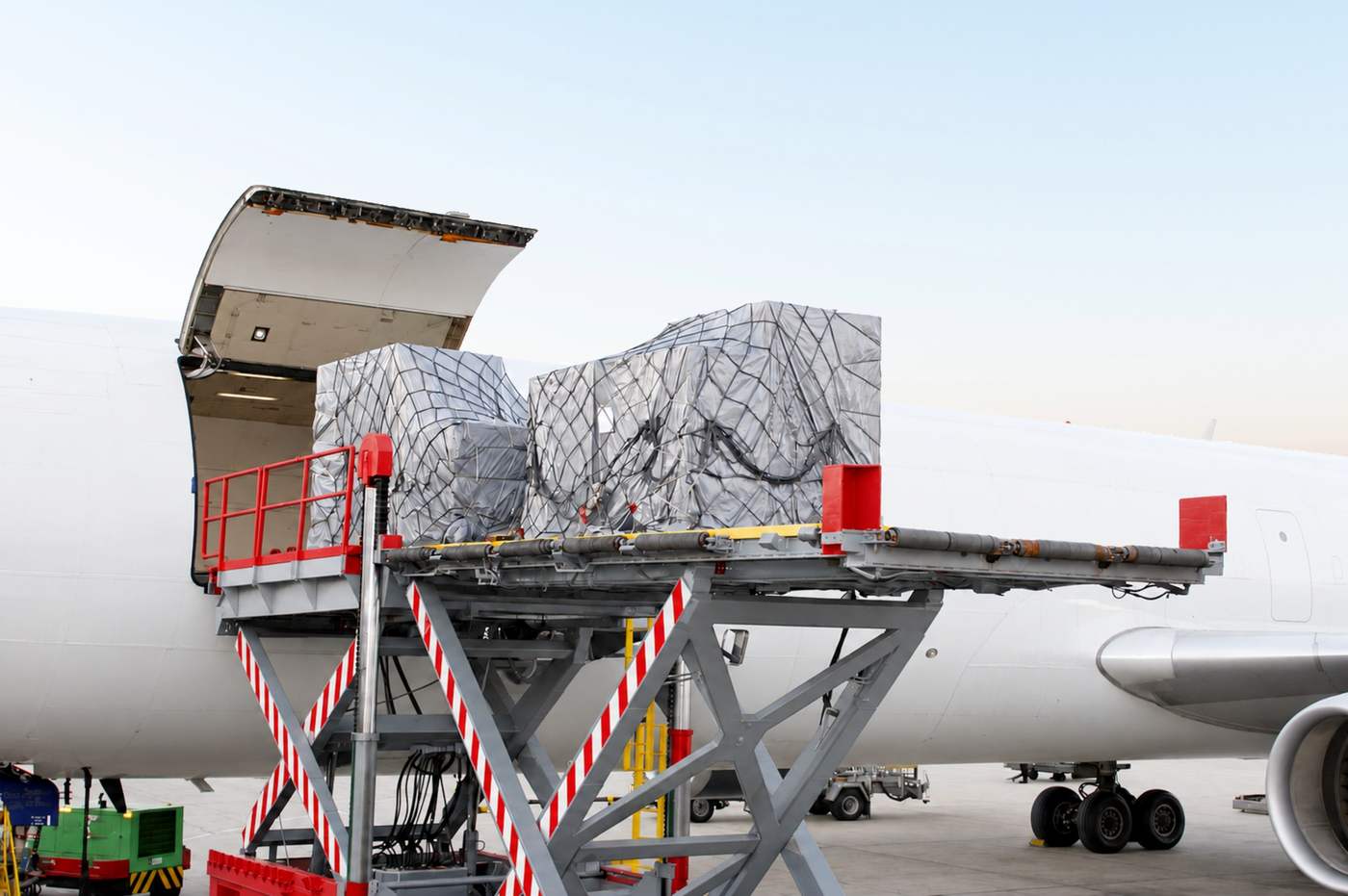
Freighters carry the heavy lifting out of Frankfurt to Viracopos and Brussels to Viracopos, with a new freighter route from Brussels to São José dos Campos aimed at European manufacturers shipping into Brazil’s industrial heartland.
-
New passenger services from Brussels and Amsterdam, each linked directly to São Paulo, have widened the belly capacity available.
Germany, Belgium, Spain and Italy were the leading European origins, followed by the Netherlands and France. For exporters here at home, the Amsterdam link is the one to note: a direct São Paulo service expands the options out of our own backyard, rather than forcing freight to truck to Frankfurt or Brussels first.
What it means for your freight
A booming lane is good news only for the shippers who use it well. Three things follow from these figures.
-
Belly or freighter is a live choice, not a default. The same lane now offers both passenger-belly capacity out of Lisbon, Madrid, Frankfurt and Amsterdam, and dedicated freighter capacity out of Frankfurt and Brussels. The right answer depends on your volume, your temperature requirement and your timing, and it can change week to week as capacity tightens into the fourth quarter.
-
Gateway choice is cold-chain choice. With several European origins feeding the same Brazilian destinations, the question is which gateway holds your product best, not simply which is nearest. CEIV Pharma-accredited handling, active-container power and a clean transfer matter more than a postcode.
-
A hot lane attracts a crowd. As more pharma moves this way, capacity on the best-handled services gets harder to secure. Shippers who plan the route and lock in the handling early are the ones who will not be scrambling when demand peaks.
The bottom line
The GLP-1 boom is a reminder that air-cargo demand is rarely spread evenly, it concentrates, lane by lane and commodity by commodity. A 150% jump on Europe to Brazil pharma is a genuine opportunity for exporters of temperature-sensitive goods, but only if the shipment travels on a service that can protect it the whole way. The number on the invoice is the easy part; the cold chain is where the value is kept or lost.
Talk to ACC
As a neutral broker, ACC has no carrier or gateway to defend, which means we weigh belly against freighter, and one European origin against another, purely on what protects your freight and your deadline. If you are moving pharma or other temperature-sensitive goods to Brazil or across any growing lane, we will map the realistic options and build cover that fits the conditions. Get in touch and we will find the route that works for your shipment, not ours.
Sources: STAT Times, “LATAM Cargo’s Europe-Brazil pharma freight jumps 150%” (2 October 2026) · Air Cargo News, “GLP-1 drugs see Europe-Brazil pharma soar for LATAM Cargo” (2 October 2026) · LATAM Cargo