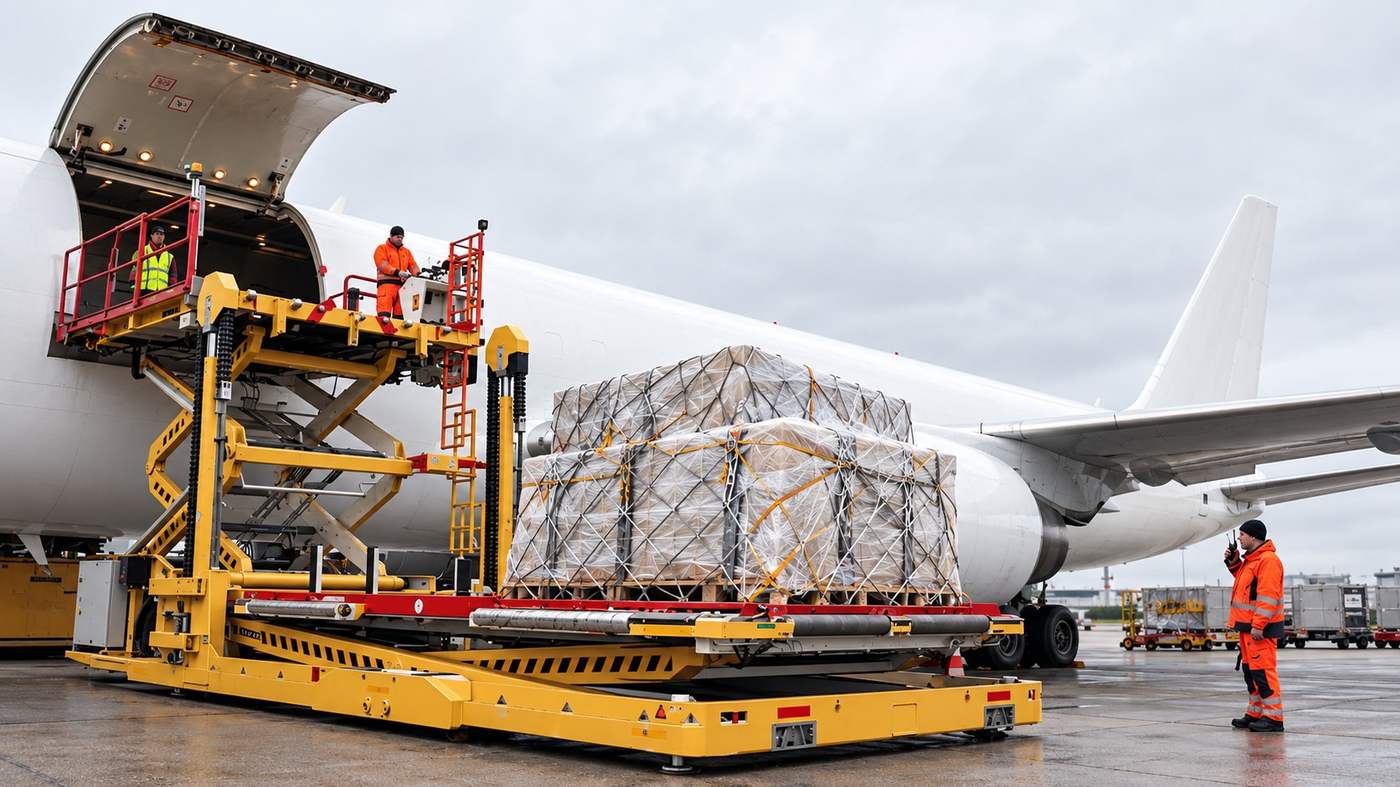
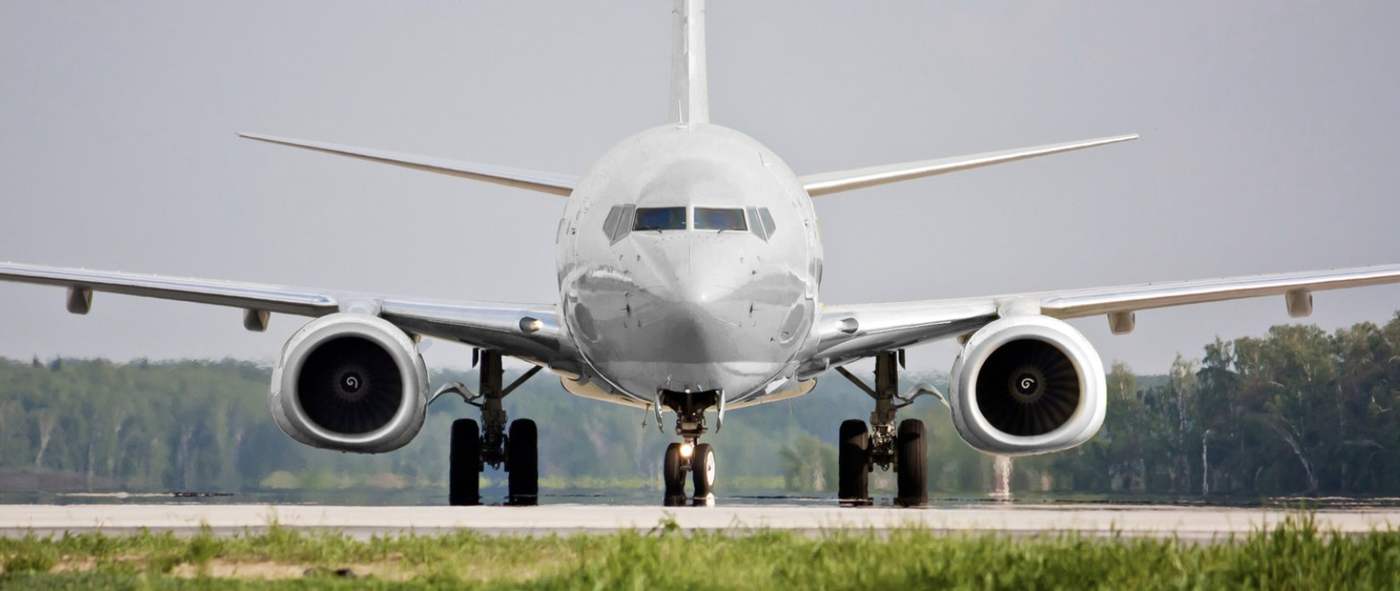
The same week the aviation world was transfixed by the Airbus A350F’s maiden flight, the more consequential cargo story for a lot of shippers came not from Toulouse but from Addis Ababa. On 30 September 2026, Ethiopian Airlines, already the largest air cargo operator in Africa, signed an order with Boeing for ten widebody freighters, headlined by eight of the brand-new 777-8 Freighter, the biggest twin-engine freighter ever built.
It is easy to read an aircraft order as inside-baseball for airline fleet planners. It is not. When the carrier that already moves the lion’s share of a continent’s airfreight commits to a fleet of next-generation freighters, it is telling you where it expects the cargo to come from, and it is quietly reshaping the options on every trade lane that touches Africa. For any business shipping perishables, pharmaceuticals, e-commerce or project cargo to, from or through the continent, that is worth paying attention to.
What Ethiopian Actually Ordered
The deal is a statement of intent as much as a fleet transaction.
-
Ten firm freighters. Ethiopian ordered eight Boeing 777-8 Freighters and two current-generation 777 Freighters, according to Boeing’s announcement on 30 September 2026.
-
An option for eight more. Beyond the firm order, Ethiopian secured options on a further eight 777-8 Freighters, per STAT Times, a commitment that could ultimately reach eighteen aircraft.
-
A multi-billion-dollar bet. Group CEO Mesfin Tasew put the catalogue value at around USD 5 billion, noting the actual price agreed is confidential (STAT Times).
-
A first for the continent. Ethiopian is the first African carrier to order the 777-8 Freighter (Air Cargo News), and the order doubles its 777X-family book, following its earlier purchase of eight 777-9 passenger jets (Boeing).
This is not a carrier topping up capacity. It is a carrier planting a flag.
Why an Order in Addis Ababa Matters to You
Ethiopian Cargo is not a regional operator. From its Addis Ababa hub, the airline already serves more than 70 cargo markets across Africa, Asia, Europe, the Middle East and North America, flying a dedicated freighter fleet of twelve 777 Freighters, two 767 Freighters and four 737-800SF converted aircraft (Boeing).
That matters because Addis Ababa has spent the last decade turning itself into the natural intercontinental connecting point for African freight, the place where a flower farm in Ethiopia, a pharma consignment from Kenya or an e-commerce flow bound for the Gulf meets a long-haul widebody. The airline is funding a USD 12.5 billion new airport, with phase one due to open in 2030 (STAT Times), precisely so that hub can keep growing. An order of this size is the fleet half of that same strategy: more main-deck capacity, on more lanes, out of a hub that intends to handle far more tonnage than it does today.
For a shipper, the practical read is simple. The capacity, frequency and reach available on African lanes over the next few years is being actively expanded, not quietly rationed. That is a genuinely different picture from the constrained, capacity-short story playing out on several other corridors.
The Aircraft Behind the Headline
The choice of type tells you how Ethiopian intends to compete.
-
The 777-8F is the heavyweight. Boeing describes it as the world’s largest and most capable twin-engine freighter, with a maximum structural payload of up to 118 tonnes, close to the volume of the four-engine 747 freighters it is designed to replace, but with the operating economics of a modern twin.
-
The 777F fills the gap now. The two current-generation 777 Freighters, with a maximum structural payload of 107 tonnes (Air Cargo News), give Ethiopian proven capacity it can deploy before the 777-8F enters service later this decade.
-
Lower cost per tonne is the point. Twin-engine widebody freighters burn less fuel than the ageing quads still flying much of the world’s main-deck cargo. In a market where fuel and sustainability costs only climb, the carrier with the newer, more efficient metal has a structural advantage on price.
ACC readers will recognise the 777-8F from our earlier look at the next-generation freighter race against the Airbus A350F. This order is the other side of that story: it is not just that the new aircraft exist, it is which carriers are buying them, and where they will fly.
What It Signals for African Trade Lanes
Africa punches below its weight in global airfreight, but the composition of what it ships makes it disproportionately important to specific shippers.
-
Perishables and flowers. East African cut-flower and fresh-produce exports are among the most time- and temperature-critical cargo in the world, and they move almost entirely by air. More modern freighter capacity out of the region is a direct benefit to that cold chain.
-
Pharmaceuticals and healthcare. As African manufacturing and distribution grow, so does the need for reliable, well-handled pharma lanes, exactly the premium, compliance-heavy traffic a serious cargo carrier builds a fleet around.
-
E-commerce and inbound consumer goods. Rising middle-class demand is pulling more inbound volume onto African lanes, and a bigger hub at Addis is built to consolidate and distribute it across the continent.
The through-line is that Africa is becoming a more capable node in the global network, not a peripheral one, and the shippers who treat it that way will find more, and better, options than they expect.
The ACC Read: Route on the Map, Not on Habit
A fleet order on another continent might feel remote from a shipment leaving the Netherlands. It is not, and here is why it sits squarely in the territory a neutral broker exists to manage.
-
New capacity only helps if you can see it. A carrier building Africa’s largest freighter fleet is adding genuine optionality to any lane that touches the continent. But that option is only useful to a shipper who weighs it. The habit of defaulting to the same two carriers and the same two gateways quietly leaves new capacity on the table.
-
Neutrality means we compare the whole field. Because ACC is a neutral broker tied to no single carrier, we can put a growing operator like Ethiopian Cargo on the same table as the incumbents and route your freight on the merits, handling quality, cold-chain fit, frequency, price, rather than on who you have always used.
-
Hubs rise and fall; your strategy should keep up. We have written this year about Istanbul overtaking Frankfurt and about India’s rapid hub build-out. Addis Ababa is the African chapter of the same story. Keeping a live, neutral view of where capacity is being added is how a shipper turns someone else’s fleet investment into their own lower rates and better service.
The Bottom Line
Ethiopian’s order will not change the price of a pallet next week. What it changes is the map. The carrier that already dominates African airfreight has committed to the most capable freighter in the sky, with options to go further still, and a USD 12.5 billion hub to fly it from. That is a multi-year signal that capacity, reach and competition on African lanes are heading up. The shippers who benefit will be the ones who keep their routing options open and let a neutral eye weigh the field, rather than the ones still flying out of habit while the network quietly redraws itself around them.
Shipping To, From or Through Africa? Let’s Map Your Options
If any part of your supply chain touches African lanes, exporting perishables, moving pharma, or distributing inbound e-commerce, now is the time to review how your freight is routed and which carriers and gateways you are actually comparing. Talk to ACC, and we will benchmark your lanes across the full field of carriers, including the fast-growing African operators, and build you a routing that reflects today’s network, not last year’s habits. The capacity is coming. Let’s make sure you are positioned to use it.
Sources: Boeing, “Ethiopian Airlines Orders Boeing 777 and 777-8 Freighters to Expand Cargo Fleet” (30 September 2026) · Air Cargo News, “Ethiopian Airlines orders Boeing 777-8 and 777 freighters” (Rebecca Jeffrey, 30 September 2026) · STAT Times, “Ethiopian Airlines signs for 8 Boeing 777-8Fs and 2 777Fs” (30 September 2026)